If your artificial intelligence system can only write poetry or draft polite customer emails, it is not an agent. It is simply an expensive, glorified autocomplete.
As we move through 2026, the era of conversational toys is officially over. The global enterprise landscape is not being disrupted by bigger language models—it is being completely restructured by Autonomous Agent Swarms.
The Fundamental Flaw with Conversational Chatbots
Traditional chatbots operate on a passive conversational loop: a human types a prompt, the model generates text, and then execution completely stops. The human must still copy, paste, verify, and perform 100% of the actual operational labor.
The Four Pillars of Real Enterprise Autonomy
1. Deep Environmental Tool Calling
A true enterprise agent doesn't merely describe code or summarize a sales invoice. It connects directly to APIs, updates database schemas, verifies stock levels, dispatches couriers, and triggers payments without human micromanagement.
2. Deterministic Precision over Stochastic Guesswork
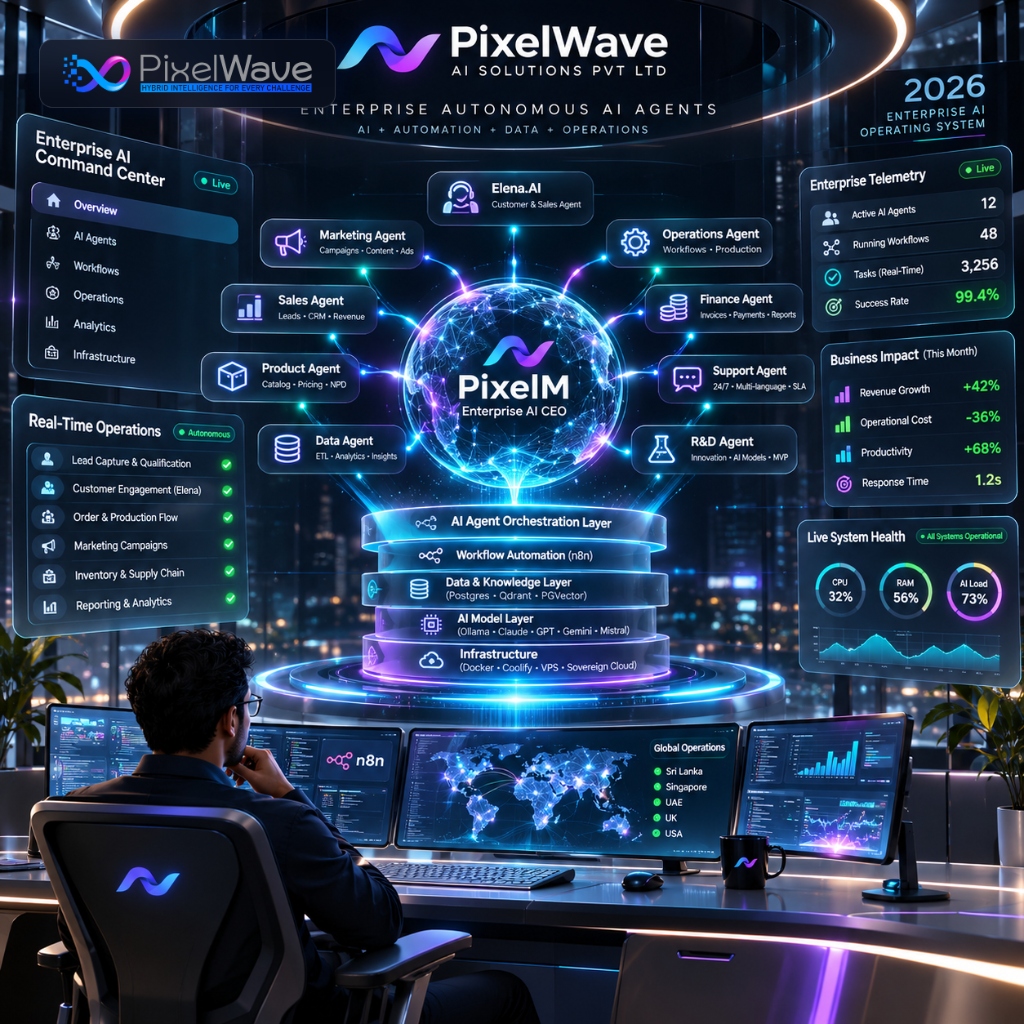
Enterprises cannot afford probabilistic hallucination in legal contracts or financial records. Modern autonomous agent swarms employ multi-agent verification loops: an architect agent drafts the execution plan, a critic agent audits for compliance, and an executor commits the transaction.
3. Persistent Cognitive Memory
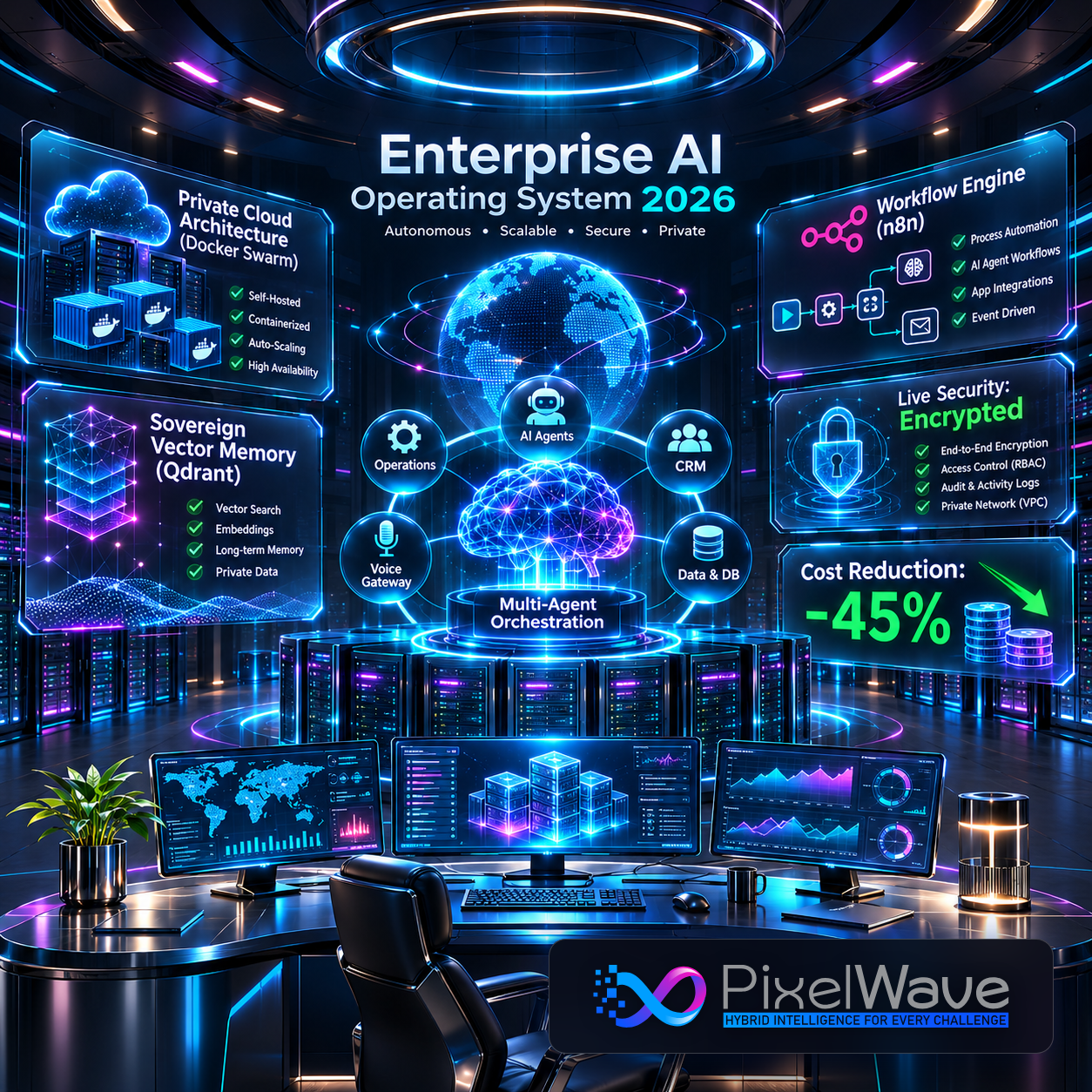
Yesterday's AI forgot institutional memory the moment a browser tab was closed. Contemporary autonomous agents leverage persistent Qdrant vector memory, retaining client agreements, historical pricing models, and operational procedures across months of continuous operation.
4. Self-Healing Workflow Orchestration
When an external API endpoint fails or returns a 500 error, an autonomous agent swarm does not crash. It autonomously detects the failure, rolls back the transaction, reroutes the payload through a secondary gateway, and alerts engineering sentinels.
The Competitive Moat of Tomorrow
The competitive moat of tomorrow will not belong to who has the cleverest prompt library. It will belong to the enterprises that engineered the most resilient, autonomous nervous system for their business.